What are common developmental milestones for a 7-year-old?

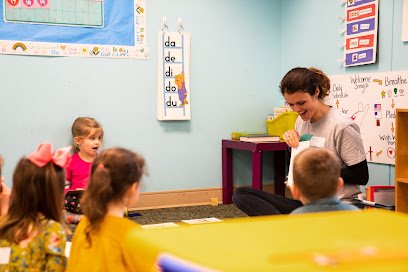
By age seven, children enter a fascinating stage of development where they become noticeably more independent, capable, and self-aware. Gone are the days when your child was entirely dependent on you for guidance and reassurance—now they’re developing their own opinions, solving problems, and navigating complex social situations. Understanding what developmental milestones are typical at this age helps you recognize when your child is progressing well and when they might benefit from extra support.
Seven-year-olds are often described as “school-aged children” because they’ve moved beyond the early childhood phase and are now firmly in a period where learning, friendships, and physical abilities blossom rapidly. Every child develops at their own pace, so while these milestones give you a general roadmap, it’s important to remember that variations are completely normal. What matters most is that your child is progressing steadily and building confidence in their abilities.
This article explores the key developmental milestones you can expect to see in seven-year-olds, including physical growth, cognitive abilities, emotional development, and social skills. Knowing what to look for helps you support your child’s growth and celebrate their achievements along the way.
Physical Development and Motor Skills
At seven years old, children have significantly refined their gross motor skills—their ability to control large movements involving their whole body. Most seven-year-olds can run smoothly, jump with better coordination, and maintain their balance while walking on a line or riding a bicycle without training wheels. They’re often more adventurous physically and may show interest in sports or activities like swimming, skating, or climbing.
Fine motor skills—the smaller, more precise movements—continue to improve dramatically during this year. Your seven-year-old is likely developing better hand-eye coordination and can now write letters and numbers more legibly. Their pencil grip should be becoming more mature and controlled, making handwriting less of a struggle than it might have been a year or two earlier. Many children this age can also tie their shoelaces, button and zip clothing, and manage utensils with greater dexterity.
Sleep patterns typically become more regular and predictable for seven-year-olds. Most children this age need between 9 and 11 hours of sleep per night to function optimally. You might notice your child is less prone to the bedtime battles that were common in earlier years, though some resistance to bedtime still occurs. Their energy levels are often high during the day, but they should be able to wind down relatively well with consistent routines.
Growth spurts continue but tend to be steadier than during earlier childhood. Most seven-year-olds are between 45 and 50 inches tall and weigh between 45 and 65 pounds, though there’s considerable variation. Losing baby teeth and growing permanent teeth is well underway, and visits to the dentist become increasingly important.
Cognitive Development and Learning
The period around age seven marks an important cognitive shift. Psychologists often refer to this as the beginning of “concrete operational thinking,” where children move beyond purely imaginative play and start to understand logic, rules, and consequences more clearly. Your seven-year-old can likely follow multi-step instructions without reminders and understand cause-and-effect relationships better than younger children.
School becomes a central part of life, and reading and math skills develop rapidly. By seven, most children are moving from “learning to read” into “reading to learn.” They should be able to recognize sight words, decode simple phonetic words, and understand basic story concepts like characters and plot. Math skills include counting beyond 100, understanding basic addition and subtraction, and recognizing patterns and simple shapes.
Attention span improves noticeably at this age. While seven-year-olds aren’t yet capable of extended focus on a single task, they can typically concentrate on an activity of interest for 20 to 30 minutes. This increased attention capacity supports their growing academic abilities and allows them to engage in more complex games and projects.
Problem-solving abilities develop significantly during this year. Your child can think through simple problems and may surprise you with their reasoning. They’re beginning to understand that there might be multiple solutions to a problem, and they can follow rules in games more consistently. However, their thinking is still quite concrete—they struggle with abstract concepts and tend to think in literal terms.
Memory continues to improve, and seven-year-olds can usually remember and follow through on responsibilities like chores or homework assignments, though they still need reminders and external organization systems. They’re also becoming more aware of time and can understand concepts like “tomorrow” or “next week” better than before.
Emotional Development
Seven-year-olds are developing a more sophisticated understanding of their own emotions and those of others. They’re increasingly able to identify and name different feelings beyond just “happy” or “sad.” They might express emotions like frustration, embarrassment, disappointment, or pride. This emotional awareness is an important step forward, though it also means they can be more self-conscious about their appearance and abilities.
Self-esteem becomes increasingly important at this age. Your child is comparing themselves to peers and becoming aware of whether they’re “good at” certain things. Children who succeed at school tasks and receive encouragement tend to develop stronger self-confidence. Conversely, repeated struggles or criticism can damage their emerging sense of competence. This makes your role as a cheerleader and support system more important than ever.
Frustration tolerance is still developing. While seven-year-olds are generally more capable of managing frustration than younger children, they may still have meltdowns when tasks are too difficult or when they don’t get their way. Learning to handle failure and disappointment is a crucial developmental task at this age. When children are given opportunities to struggle, try again, and eventually succeed, they build resilience.
Independence becomes increasingly important. Seven-year-olds often want to do things themselves and may resist help, even when they still need it. This desire for autonomy is healthy and should be encouraged where possible. Allowing your child to make some choices—what to wear, which vegetable to have with dinner, which book to read—gives them a sense of control and supports their emerging independence.
Social Development and Friendships
Friendships become much more central in a seven-year-old’s life. Peer relationships start to matter significantly, and your child is likely spending more time thinking about their friends and whether they’re liked by classmates. Unlike younger children, seven-year-olds understand friendship as a two-way relationship that requires reciprocal care and shared interests.
Social skills continue to mature, though they’re still works in progress. Most seven-year-olds are better at taking turns, sharing, and cooperating in group settings, though conflicts with peers are still common. They’re developing the ability to empathize—to understand that others have feelings and perspectives different from their own—though they’re still quite self-centered overall.
Play becomes more organized and rule-based. Rather than parallel play or simple imaginative play, seven-year-olds engage in more complex games with established rules. Sports, board games, and organized activities appeal to them. They’re also beginning to develop specific interests and may want to spend time with children who share those interests.
Group dynamics become important. Your child is becoming more aware of social hierarchies and may worry about whether they fit in or are popular. This social awareness can lead to both positive friendships and occasional social anxiety. Some children become sensitive to whether they’re included or excluded from group activities.
Behavioral Expectations and Impulse Control
At seven, children are developing better impulse control than they had as younger children. They’re increasingly able to follow rules and understand consequences, though they still need reminders and structure. The ability to inhibit immediate impulses develops gradually, so don’t expect perfect behavior, but you should notice improvement over younger years.
Responsibility expands at this age. Many seven-year-olds can manage simple household responsibilities like feeding a pet, clearing their plate after meals, or organizing their room with reminders. These experiences teach valuable life skills and contribute to their developing sense of competence.
Honesty is an interesting developmental area at age seven. Most children this age are trying to be truthful, but they may still occasionally lie, especially if they fear getting in trouble. Unlike younger children, however, they’re developing a genuine understanding that honesty is important, which is a meaningful developmental shift.
Supporting Healthy Development
Creating an environment that supports these developmental milestones doesn’t require special programs or expensive interventions. Consistency, encouragement, and age-appropriate expectations go a long way. Provide opportunities for physical activity, creative expression, reading, and social interaction. Maintain clear routines and reasonable rules, and follow through with consistent consequences.
Pay attention to your child’s individual strengths and interests. Some seven-year-olds are early readers or show athletic ability, while others excel at artistic pursuits or social connection. Recognizing and nurturing these strengths builds confidence and motivation.
Stay connected with your child’s teachers and caregivers. They can provide insights into how your child is progressing academically and socially. Regular communication helps identify any areas where your child might benefit from additional support.
When to Seek Additional Support
While variations in development are normal, some signs might warrant further evaluation. If your seven-year-old is significantly struggling with academic skills like reading or math, experiencing persistent social difficulties, or showing emotional challenges that interfere with daily functioning, talking with your pediatrician or a child development specialist can be helpful.
Similarly, significant delays in physical development or ongoing behavioral challenges that don’t improve with consistent structure and guidance deserve professional attention. Early intervention for any concerns typically leads to better outcomes.
Conclusion
Seven-year-olds are in a remarkable stage of development. They’re becoming independent thinkers with growing abilities, emerging personalities, and deepening friendships. While each child progresses at their own pace, understanding the typical milestones helps you recognize your child’s achievements and provide appropriate support where needed. By offering encouragement, setting reasonable expectations, and maintaining a structured, loving environment, you’re giving your seven-year-old the foundation they need to thrive. Remember that this age is just a snapshot in your child’s ongoing journey of growth—celebrate how far they’ve come while remaining patient with their continued development.
Common Developmental Milestones for a 7-Year-Old
Physical Development
- Height and Weight: Average height is 47-50 inches (119-127 cm); weight ranges from 45-65 pounds (20-30 kg)
- Motor Skills: Improved coordination and balance; can ride a bicycle without training wheels
- Fine Motor Skills: Developing better pencil grip and handwriting; can draw more detailed pictures and write simple sentences
- Sports Abilities: Can throw and catch a ball with increased accuracy; improved jumping, running, and skipping abilities
- Tooth Development: Primary (baby) teeth continue to fall out and permanent teeth erupt; typically loses 4-6 teeth per year
- Sleep: Needs 9-11 hours of sleep per night
- Independence: Can dress themselves completely, including tying shoelaces; improved self-care hygiene
Cognitive Development
- Academic Skills: Learning to read fluently; understanding basic math concepts (addition and subtraction); improving spelling and writing abilities
- Memory: Developing stronger memory capacity; can follow multi-step instructions
- Attention Span: Can focus on activities for 15-20 minutes or longer
- Logic and Reasoning: Beginning concrete operational thinking; understanding cause and effect; less egocentric thinking
- Problem-Solving: Improving ability to solve simple problems independently
- Learning Pace: More efficient learners; developing individual learning styles
Social and Emotional Development
- Friendships: Forming stronger peer relationships; beginning to have best friends
- Social Awareness: Becoming more aware of others’ feelings and perspectives
- Self-Concept: Developing self-esteem based on competencies and peer acceptance; becoming more self-critical
- Emotional Regulation: Better control over emotions but still experiencing mood swings
- Rule Understanding: Understanding fairness and rules; beginning to understand moral concepts
- Cooperation: Working better in groups; understanding teamwork in sports and activities
Language Development
- Vocabulary: Vocabulary expands to 20,000+ words
- Grammar: Using more complex sentence structures; understanding past and future tenses
- Communication: Communicating ideas more clearly; enjoying jokes and wordplay
- Reading: Moving from learning to read to reading to learn; reading simple chapter books
- Writing: Writing coherent short stories; using proper punctuation in simple sentences
Play and Creativity
- Play Type: Transitioning from imaginative play to more rule-based games and sports
- Creativity: Engaging in drawing, painting, music, and dramatic activities with more sophistication
- Interests: Developing specific interests and hobbies; collecting items of interest
- Games: Enjoying board games, card games, and competitive sports
School Performance
- Academic Achievement: Reading and writing skills advance significantly; mathematical reasoning develops
- Teacher Relationships: Respecting authority figures and teachers; seeking approval from adults
- School Behavior: Becoming more independent in school tasks; taking responsibility for homework
- Classroom Participation: Actively participating in classroom discussions and activities
Health and Safety Considerations
- Physical Activity: Requiring 60+ minutes of physical activity daily
- Nutrition: Balanced diet with three meals and healthy snacks; food preferences becoming more established
- Safety Awareness: Understanding basic safety rules but still requiring supervision
- Hygiene: Independent in personal hygiene but may need reminders
Note on Developmental Variation
Developmental milestones represent typical patterns, but individual children develop at different rates. Variations in achievement of these milestones are normal. Children should be evaluated by healthcare professionals if there are significant concerns about development.

Related Articles