
Introduction to Assessing Young Children
Assessing young children who can’t read or write yet can be a challenging task for teachers. At this stage, children are still developing their language skills and may not have the ability to express themselves through written or verbal means. However, it’s essential for teachers to evaluate their students’ progress to identify areas where they may need extra support. This assessment process helps teachers to understand each child’s unique strengths and weaknesses, allowing them to tailor their teaching methods to meet the individual needs of their students.
The early years of education are critical in laying the foundation for future learning, and assessing young children’s development is an integral part of this process. Teachers use various methods to evaluate their students’ cognitive, social, emotional, and physical development. These assessments are not only used to measure a child’s academic progress but also to identify any potential learning difficulties or special needs. By doing so, teachers can provide targeted support and interventions to help children overcome any challenges they may be facing.
Understanding the Assessment Process
The assessment process for young children who can’t read or write yet involves observing their behavior, interactions, and play. Teachers watch how children engage with their peers, respond to instructions, and demonstrate their problem-solving skills. They also evaluate a child’s ability to follow routines, use gestures and facial expressions to communicate, and demonstrate an understanding of basic concepts such as shapes, colors, and numbers. This holistic approach to assessment provides a comprehensive picture of a child’s overall development and helps teachers to identify areas where they may need additional support.
Observation and Play-Based Assessment
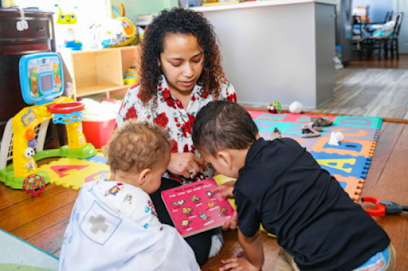
One of the primary methods used to assess young children is observation. Teachers observe children during play, noting their ability to share, take turns, and cooperate with others. They also evaluate a child’s fine motor skills, such as their ability to hold a crayon or pencil, and their gross motor skills, such as their ability to run, jump, and balance. Play-based assessment is an effective way to evaluate a child’s cognitive development, as it allows them to demonstrate their problem-solving skills and thinking processes in a natural and engaging way.
Using Assessment Tools and Frameworks
Teachers use various assessment tools and frameworks to evaluate young children’s development. These tools may include standardized tests, rating scales, and observation checklists. The Early Years Foundation Stage (EYFS) framework, for example, provides a structured approach to assessing children’s development in areas such as communication, physical development, and personal, social, and emotional development. These frameworks help teachers to identify areas where children may be struggling and provide a basis for planning targeted interventions and support.
The Importance of Parental Involvement
Parental involvement is a crucial aspect of assessing young children’s development. Teachers work closely with parents to gather information about a child’s interests, strengths, and challenges. This collaborative approach helps to ensure that assessments are accurate and comprehensive, taking into account a child’s development in different contexts. Parents can provide valuable insights into their child’s behavior and development at home, which can help teachers to identify patterns and trends that may not be immediately apparent in the classroom.
Sharing Assessment Findings with Parents
Teachers share assessment findings with parents through regular meetings and reports. This helps to keep parents informed about their child’s progress and provides an opportunity for them to discuss any concerns or questions they may have. By working together, teachers and parents can develop a shared understanding of a child’s strengths and challenges, and work collaboratively to support their development. This partnership is essential in helping children to overcome any obstacles they may be facing and to reach their full potential.
Practical Tips for Teachers
Teachers can use a variety of strategies to assess young children who can’t read or write yet. One approach is to use visual aids such as pictures and symbols to support communication and understanding. Teachers can also use music, movement, and drama to engage children and assess their creative and expressive abilities. Additionally, teachers can use everyday activities such as snack time and outdoor play to evaluate a child’s social and emotional development.
Creating a Supportive Learning Environment
Creating a supportive learning environment is critical in helping young children to feel comfortable and confident. Teachers can do this by establishing routines and rituals, providing a range of play-based activities, and encouraging children to take risks and explore their surroundings. A well-organized and well-resourced classroom can also help to reduce stress and anxiety, allowing children to focus on their learning and development.
Benefits of Early Assessment
Assessing young children’s development has numerous benefits, both for the child and for the teacher. Early identification of learning difficulties or special needs can help to prevent more significant problems from developing later on. It also allows teachers to provide targeted support and interventions, which can help to boost a child’s confidence and self-esteem. Furthermore, assessing young children’s development helps teachers to plan engaging and effective lessons, tailored to the unique needs and interests of their students.
Informing Future Teaching Practices
The information gathered through assessment can inform future teaching practices, helping teachers to refine their approaches and strategies. By understanding what works best for each child, teachers can develop a more personalized and responsive approach to teaching, which can lead to improved outcomes and increased student achievement. This ongoing process of assessment and evaluation helps to ensure that teaching practices are effective, relevant, and meet the changing needs of young children.
Conclusion
Assessing young children who can’t read or write yet requires a thoughtful and multi-faceted approach. By using a range of methods, including observation, play-based assessment, and parental involvement, teachers can gather a comprehensive picture of a child’s development. This information can be used to inform teaching practices, provide targeted support, and help children to overcome any challenges they may be facing. As teachers, it’s essential to remember that every child is unique, and that assessment should be a supportive and inclusive process that celebrates diversity and promotes a love of learning. By working together with parents and using a range of assessment strategies, teachers can help young children to thrive and reach their full potential, laying the foundations for a lifelong love of learning and a bright and successful future.
Teachers assess young children who can’t read or write yet through various methods, including observations, play-based assessments, and interactive activities. These methods help teachers understand the child’s cognitive, social, emotional, and physical development, as well as their language and literacy skills.
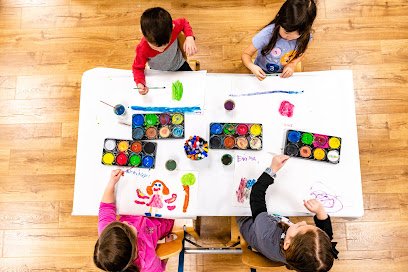
Observations involve watching children during play, group activities, and one-on-one interactions to note their behavior, interests, and abilities. Teachers may observe how children use language, such as identifying objects, describing events, and engaging in conversations. They may also observe children’s fine motor skills, such as drawing, coloring, and using scissors.
Play-based assessments involve using play activities to evaluate children’s skills and knowledge. For example, teachers may use block play to assess problem-solving skills, math concepts, and spatial awareness. They may use pretend play to assess language skills, social skills, and emotional intelligence.
Interactive activities, such as games, puzzles, and sorting tasks, are also used to assess children’s cognitive and language skills. These activities help teachers understand how children think, reason, and solve problems. Teachers may use these activities to assess children’s understanding of concepts, such as shapes, colors, and numbers.
In addition to these methods, teachers may use standardized assessment tools, such as the Ages and Stages Questionnaire (ASQ) or the Brigance Inventory of Early Development (IED), to assess children’s overall development and identify areas of strength and weakness. These tools typically involve a series of questions and activities that are designed to evaluate children’s cognitive, social, emotional, and physical development.
Teachers may also use portfolio assessments, which involve collecting samples of children’s work, such as drawings, paintings, and other creative projects, to track their progress over time. These portfolios provide a comprehensive picture of children’s skills and knowledge and help teachers identify areas where children may need additional support.
Some common assessment tools used to assess young children who can’t read or write yet include:
* The Peabody Developmental Motor Scales (PDMS) to assess fine and gross motor skills
* The Test of Language Development (TOLD) to assess language skills
* The Preschool Language Assessment Instrument (PLAI) to assess language skills
* The Wechsler Preschool and Primary Scale of Intelligence (WPPSI) to assess cognitive abilities
* The Brigance Inventory of Early Development (IED) to assess overall development
These assessments help teachers identify children who may need additional support or services, such as speech therapy or occupational therapy, and inform instruction to meet the unique needs of each child. Teachers may also use the results of these assessments to develop individualized learning plans and adjust their teaching strategies to better support children’s learning and development.

Leave a Reply