Are there after-school care or holiday programs available?

Finding reliable childcare outside of school hours is one of the biggest challenges modern families face. Between work commitments, commute times, and the demands of daily life, many parents struggle to bridge the gap between when school ends and when they can pick up their children. This is where after-school care and holiday programs become invaluable resources that provide both practical solutions and peace of mind.
After-school care programs and holiday programs have evolved significantly over the past decade. They’re no longer just glorified babysitting services—today’s programs offer structured activities, academic support, recreation, and skill-building opportunities that benefit children’s development. Whether you’re looking for a safe place for your child to spend a few hours each week or comprehensive care during school breaks, these programs come in many forms and price points.
Understanding what’s available in your area and how to evaluate different options will help you make the best choice for your family’s needs.
What Are After-School Care Programs?
After-school care refers to supervised childcare services that operate during the hours between when school dismisses and when parents can typically pick their children up. In most cases, this means roughly 3 p.m. to 6 p.m., though some programs offer extended hours.
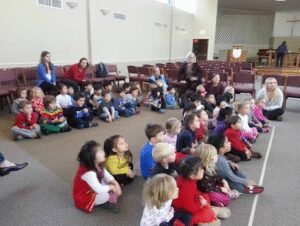
These programs serve children from kindergarten through middle school, and sometimes high schoolers. They may operate on school premises, at community centers, or at dedicated childcare facilities. The setting can vary widely, but the core purpose remains consistent: providing a safe, engaging environment while parents work or manage other responsibilities.
Most after-school programs include snacks, homework support, outdoor play, arts and crafts, sports, or other recreational activities. Some are primarily play-based for younger children, while others focus more on academics and skill development for older kids.
Holiday Programs: Filling the Gap Year-Round
Holiday programs address a different but equally pressing need. These are extended-care services offered during school breaks—winter holidays, spring break, summer vacation, and sometimes teacher development days.
School holidays create a unique challenge for working parents. When kids are home for two weeks in December or six weeks in summer, arranging consistent childcare can be complicated and expensive. Holiday programs typically run full-day operations with planned activities, field trips, themed events, and structured scheduling to keep children engaged throughout the break.
Summer programs deserve special mention since they’re the longest holiday period. Many communities offer everything from traditional day camps to specialized programs focused on sports, arts, technology, or academics. Some families combine multiple programs or arrange a patchwork of different options to cover the entire summer break.
Where to Find These Programs
School-Based Programs
Many schools operate their own after-school and holiday programs directly on campus. These have obvious advantages: children don’t need to travel anywhere, they’re already familiar with the location, and sometimes the school’s staff members are involved. Check with your school’s office about what’s available and how to enroll.
Community Centers and Recreation Departments
Most cities and towns run programs through their parks and recreation departments. These are often very affordable and available to any child in the community. Quality varies, but many offer excellent programs with experienced staff and diverse activity options.
Private Childcare Centers
Dedicated childcare facilities often extend their services beyond typical school hours. While generally more expensive than school or community programs, private centers may offer more flexibility with hours and individualized attention.
Faith-Based Organizations
Churches, temples, mosques, and other religious organizations frequently operate after-school and holiday programs. These may include a values component but are usually open to families of all backgrounds.
Specialized Programs
Some programs focus on specific interests like sports, music, robotics, language learning, or tutoring. These work best if your child has a particular passion or if you’re looking to supplement academics.
What to Consider When Evaluating Programs
Safety and Supervision
This is non-negotiable. Ask about staff-to-child ratios, background checks, and safety protocols. A good program should have clear procedures for pickup, parent communication, and emergency situations.
Curriculum and Activities
Think about what your child needs. Do they thrive with unstructured play time, or do they do better with organized activities? Some kids benefit from homework support, while others need outdoor time or creative outlets.
Cost and Financial Assistance
Prices range dramatically from free community programs to several hundred dollars per week for private options. Many programs offer sliding scale fees, scholarships, or payment plans. Don’t assume cost reflects quality—sometimes the best programs are run by non-profits or municipal governments.
Location and Hours
Practical considerations matter. Can you reliably pick up your child by closing time? Is the program accessible from your workplace or home? Extended hours or flexible attendance might be worth paying extra for if it fits your schedule.
Staff Training and Turnover
Staff qualifications vary widely. Look for programs where staff have training in child development, first aid, or relevant certifications. High staff turnover can affect program quality and children’s sense of stability.
Communication with Parents
How does the program keep you informed? Good programs provide regular updates through apps, emails, or bulletin boards so you know what your child is doing and can follow up on any concerns.
Benefits Beyond Childcare
Modern after-school and holiday programs offer more than just supervision. Well-designed programs provide real developmental benefits.
Many children struggle with unstructured time or may face safety concerns when unsupervised. A quality program provides a reliable safe space. Academic support through homework help and tutoring can make a measurable difference in school performance, particularly for children who need extra assistance.
Social and emotional development thrives when children interact with trained staff who facilitate group activities, teach problem-solving, and help navigate conflicts. Children develop new skills through exposure to different activities they might not experience at home. Plus, being part of a program community helps kids build friendships and feel connected.
For working parents, the stress reduction is enormous. Knowing your child is safe, engaged, and well-cared for allows you to focus on work without constant worry about whether they’re okay or what they’re doing unsupervised.
Costs and How to Make It Work
After-school care typically costs between $100 and $500 per month depending on the program type and your location. Full-day summer programs can range from free community options to $1,000 or more per week for specialized camps.
This can feel expensive, but many families find creative solutions. Some parents coordinate schedules so they don’t both need full-time programs. Others combine part-time program enrollment with family help. Many programs offer sliding scale fees, grant-funded spots, or scholarship programs—always ask.
Some employers offer childcare subsidies or flexible spending accounts that can offset costs. Looking into these benefits through your workplace might reveal unexpected financial support.
Making the Transition Smooth
Once you’ve selected a program, help your child adjust. Visit the program together beforehand if possible. Talk positively about what they’ll do there. For anxious children, a gradual transition works better than jumping in full-time.
Stay in regular communication with program staff, especially early on. Let them know about your child’s preferences, fears, or special needs. Good programs welcome parent input and use it to help children thrive.
Finding Your Family’s Solution
After-school care and holiday programs serve millions of families, filling a genuine need in modern life. What works perfectly for one family might not suit another, so take time exploring local options, visiting programs, and asking questions.
The best program is one where your child feels safe and engaged while you feel confident in the quality of care. Whether you choose a school-based program, community center offering, private facility, or combination approach, these services enable parents to work and manage life while giving children structured, positive experiences outside of school. The investment in finding the right fit pays dividends for your entire family’s wellbeing and peace of mind.
After-School Care and Holiday Programs
After-School Care Programs
After-school care programs are widely available in most communities through various providers:
- School-Based Programs: Many schools operate their own after-school care facilities, offering supervision, homework help, snacks, and recreational activities until parents can pick up children
- Community Centers: Local YMCAs, recreation departments, and community organizations provide after-school programs with sports, arts, academics, and mentoring
- Private Childcare Facilities: Licensed daycare centers often extend their services to include after-school care for school-age children
- Faith-Based Organizations: Churches, synagogues, and other religious institutions frequently offer after-school programs
- Programs Through Nonprofits: Organizations focusing on youth development provide structured after-school activities
- At-Home Care: In-home childcare providers and babysitters offer personalized after-school supervision
Holiday Programs
Holiday programs are available during school breaks:
- School District Camps: Many school systems offer holiday camps during winter, spring, and summer breaks
- Community Recreation Programs: Parks and recreation departments run holiday-themed camps and activities
- Private Camps: Summer camps, winter camps, and specialty camps operate during extended breaks
- Community Centers: YMCAs and recreation centers provide holiday programming
- Specialized Programs: Sports camps, arts camps, STEM camps, and themed programs operate during holidays
- Drop-In Activities: Museums, libraries, and entertainment venues offer holiday-specific programming
Availability and Access
- Programs vary by location, school district, and organization
- Registration periods typically occur before the start of each program session
- Fees range from free to several hundred dollars depending on provider and program length
- Financial assistance and scholarships may be available through some providers
- Online directories and school websites list local options

Related Articles