
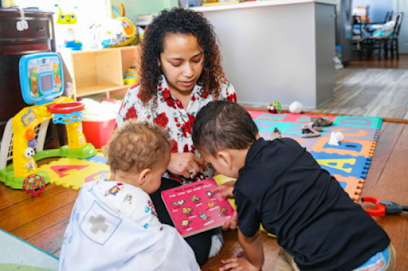
Reading is one of the most valuable skills you can help your child develop. Beyond opening doors to academic success, strong reading abilities boost confidence, expand imagination, and create a foundation for lifelong learning. The good news? You don’t need special training or fancy programs to make a real difference. Some of the most effective ways to support your child’s reading skills happen naturally within everyday family life.
Many parents wonder where to start, especially if they feel uncertain about their own reading background or don’t know how to approach teaching. The truth is, your involvement matters far more than your expertise. Children who see their parents reading, hear stories regularly, and get encouragement at home consistently outpace their peers in literacy development. This article explores practical, realistic strategies you can use right now to nurture your child’s love of reading and help them build stronger skills.
Why Home Support Makes Such a Difference
Research consistently shows that children’s reading development depends less on classroom instruction alone and more on the combined efforts of teachers, families, and the child themselves. When you engage with your child’s reading at home, you reinforce what they’re learning in school while creating positive associations with books and language.
Home reading support also allows for personalized attention. Teachers manage many students, but you know your individual child—their interests, learning pace, and confidence level. This means you can choose books they’ll genuinely enjoy, take time when they need it, and celebrate progress in ways that feel meaningful to them specifically.
Perhaps most importantly, your attitude toward reading influences your child’s attitude. Kids are perceptive about what adults truly value. When they see you reading for pleasure, treating books as treasures, and showing genuine interest in their reading journey, they internalize that reading matters.
Making Reading Time a Daily Habit
The foundation of supporting your child’s reading is consistency. Rather than occasional, intense reading sessions, daily engagement—even for short periods—produces better results than sporadic marathon reading days.
Start by establishing a regular reading routine that works for your family. This might be fifteen minutes after breakfast, a wind-down session before bed, or a quiet half-hour on weekend mornings. The specific time matters less than making it predictable. When reading becomes part of your daily rhythm, it feels less like a chore and more like something you simply do together.
Young children benefit from being read to daily, regardless of age. Many parents assume they should stop reading aloud once children can read independently, but this is a missed opportunity. Hearing you read develops listening skills, builds vocabulary, and introduces children to stories and language patterns they might not encounter on their own yet. Reading aloud also keeps reading enjoyable—free from the effort and frustration that beginning readers sometimes experience.
As children develop reading skills, you can alternate. One day you read to them, the next day they read to you. This takes pressure off your child while maintaining the routine. Even reluctant readers often respond better when they control the pace sometimes.
Choosing Books That Actually Appeal to Your Child
Nothing kills reading enthusiasm faster than being forced to read books that don’t interest you. This applies to children just as much as adults. Your first priority should be finding books your child genuinely wants to read, even if those books seem “below level” or don’t match what you imagine they should be reading.
Ask your child what topics fascinate them. Are they drawn to animals, sports, art, cooking, superheroes, or mysteries? Look for books in those areas at your child’s reading level. If your child loves dinosaurs but struggles with reading, find dinosaur books with simpler text. If your struggling reader enjoys graphic novels, that’s a legitimate form of reading that builds skills just like traditional books do.
Visit your local library and give your child freedom to choose. Librarians are wonderful resources—tell them your child’s interests and reading level, and they’ll point you toward titles you might not discover otherwise. Letting your child have autonomy in book selection dramatically increases the likelihood they’ll actually read the book.
Don’t worry if your child wants to read the same book repeatedly. Rereading builds fluency and confidence. Each time through, your child notices new details and reads more smoothly. This is progress, not regression.
Supporting Without Pressuring
There’s an important distinction between active support and pressure. Supporting your child’s reading means showing interest, making time available, and providing encouragement. Pressure looks like forcing reading when a child resists, criticizing mistakes, or treating reading as punishment.
When your child reads to you, listen actively. Put your phone away. Make eye contact. Ask genuine questions about the story afterward. This shows that reading matters to you. If your child stumbles over a word, resist the urge to immediately correct them. Give them a few seconds to work it out. If they’re genuinely stuck, offer the word gently and move on.
Mistakes are learning opportunities, not failures. If your child reads “house” as “home,” that shows they’re thinking about meaning, which is actually sophisticated. You might gently say, “That word is ‘house,’ but I like how you’re thinking about what makes sense.” This acknowledges their thinking while providing correction.
Never use reading as punishment. Reading should feel like a privilege and a pleasure, not a consequence.
Creating a Literacy-Rich Environment
Your home environment influences reading development more than you might realize. This doesn’t mean you need floor-to-ceiling bookshelves, though books are wonderful. It means making reading visible and accessible.
Keep books in multiple rooms. Have picture books in the living room, chapter books in bedrooms, and even bathroom reading. When books are accessible, children naturally pick them up. Make a cozy reading corner with good lighting and comfortable seating—this becomes your child’s reading sanctuary.
Model reading yourself. Read books, magazines, articles, and newspapers where your child can see you. Talk about what you’re reading. “This article about space travel is so interesting,” or “I can’t wait to find out what happens next in this mystery,” shows that reading is something adults genuinely enjoy, not just something parents make kids do.
Use everyday moments for reading. Read signs when you’re driving, recipes when you’re cooking, instructions for games before playing. This shows your child that reading has real, daily purposes.
Helping Your Child Through Reading Challenges
Many children experience frustration with reading at some point. How you respond matters significantly. If your child is struggling, your goal is to maintain confidence while building skills.
First, don’t ignore persistent difficulty. If your child seems to be falling behind despite regular practice, talk to their teacher. Some children need additional support, like small-group instruction or tutoring. This is normal and helpful, not a reflection of intelligence.
In the meantime, continue reading together using easier books. Let your child experience success with simpler texts while you support them with more challenging material by reading aloud. This balance prevents discouragement.
Be patient with progress. Reading skill develops gradually. You won’t see dramatic improvements overnight, but consistent support accumulates over months and years into significant gains.
The Long-term Payoff
Supporting your child’s reading skills at home is an investment that extends far beyond early elementary years. Strong readers perform better across all subjects, experience greater academic confidence, and develop a resource for entertainment and learning throughout their lives.
The hours you spend reading together, answering questions about stories, and creating a home where reading thrives won’t feel like work. They’ll become some of your most cherished memories—the quiet moments curled up with a book, your child’s excitement discovering a new favorite author, their pride in reading a longer book independently.
Your involvement sends a powerful message: “You are capable, and I believe in you.” Combined with consistency, the right books, patience through challenges, and genuine interest in your child’s reading journey, that belief becomes self-fulfilling. Your child develops not just stronger reading skills, but a lifelong love of reading that serves them well into adulthood.
Supporting Your Child’s Reading Skills at Home
Create a Reading-Friendly Environment
- Establish a dedicated, quiet reading space with comfortable seating
- Ensure good lighting for reading activities
- Keep books easily accessible on low shelves or in baskets
- Minimize distractions like television and loud noises during reading time
- Display books prominently throughout your home
Read Together Regularly
- Set aside consistent daily reading time, ideally 20-30 minutes
- Read aloud to your child, using different voices for characters
- Let your child see you reading for pleasure
- Take turns reading pages or paragraphs
- Choose books at your child’s current level and gradually increase difficulty
- Read the same book multiple times if your child enjoys it
Build a Home Library
- Visit local libraries frequently to borrow books
- Purchase age-appropriate books gradually
- Include various genres: fiction, nonfiction, poetry, graphic novels, and comics
- Keep a mix of challenging and easy books available
- Allow your child to choose books that interest them
Ask Comprehension Questions
- Ask open-ended questions about the story: “What do you think will happen next?”
- Discuss characters, settings, and plot points
- Connect story events to your child’s real-life experiences
- Ask about the main idea and supporting details
- Encourage predictions before finishing chapters or books
Engage with Words
- Play word games like rhyming games, I Spy, and word association
- Use magnetic letters or alphabet blocks
- Point out words during everyday activities (signs, labels, menus)
- Discuss new vocabulary words encountered during reading
- Create word walls with interesting or difficult words
Support Phonics and Decoding
- Help your child sound out unfamiliar words without immediately providing the answer
- Use phonics books and workbooks designed for their reading level
- Practice letter sounds through songs and activities
- Celebrate attempts at sounding out words, even if incorrect
- Gradually move from phonetic readers to more complex texts
Write Together
- Write shopping lists, thank-you notes, and cards as a family
- Encourage your child to label pictures or write simple captions
- Start a family journal or create stories together
- Write silly sentences using word families
- Practice handwriting alongside reading development
Use Technology Wisely
- Explore educational reading apps and audiobooks
- Watch videos about book characters or authors
- Use interactive e-books that engage multiple senses
- Limit screen time while incorporating quality digital resources
- Research apps recommended by teachers or librarians
Communicate with Teachers
- Attend parent-teacher conferences to understand reading goals
- Ask about specific strategies being used at school
- Inquire about your child’s reading level and progression
- Request recommendations for books and activities
- Share observations about your child’s reading at home
- Ask how to reinforce classroom instruction at home
Encourage a Love of Reading
- Show enthusiasm for books and reading yourself
- Allow your child to choose books that interest them
- Avoid forcing reading if resistance occurs
- Celebrate reading achievements with praise and encouragement
- Create reading challenges or reward systems
- Visit bookstores and libraries as fun outings
- Connect reading to your child’s interests and hobbies
Address Common Challenges
- If your child struggles with specific sounds, use targeted games and activities
- For reluctant readers, choose high-interest topics and graphic novels
- If attention is limited, start with shorter reading sessions and gradually increase
- For children with decoding difficulties, use multi-sensory approaches
- Consider professional support if significant delays are present
Make Reading Relevant
- Read instructions for games or recipes together
- Create lists for family activities or trips
- Read comics, magazines, and newspapers appropriate for their age
- Follow reading paths on nature walks or neighborhood exploration
- Read instructions for building projects or crafts together



Leave a Reply