
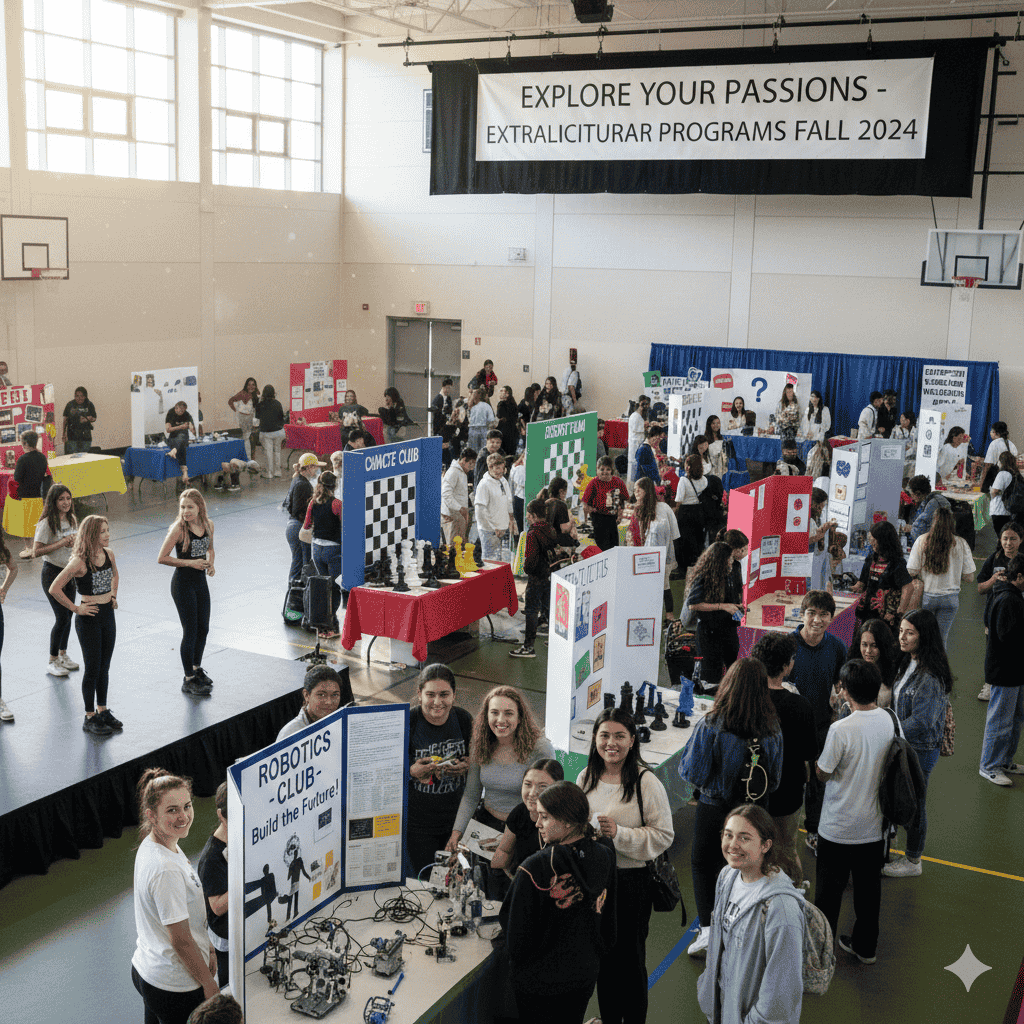
Most students spend only about six hours per day in the classroom, leaving plenty of time for activities outside formal academics. Extracurricular activities and programs have become essential parts of the modern educational experience, shaping how students develop socially, emotionally, and intellectually. Whether you’re a parent wondering what’s available for your child, a student exploring new interests, or an educator designing a program, understanding the range of extracurricular offerings can make a real difference.
The beauty of extracurricular activities lies in their diversity. From sports and arts to community service and academic clubs, these programs cater to virtually every interest and skill level. They’re not just about keeping students busy after school—they build confidence, foster friendships, and help young people discover passions they might carry into adulthood. The question isn’t really whether extracurricular activities matter; it’s about finding the right fit for your specific situation.
Types of Extracurricular Activities
Sports and Athletic Programs
Sports remain the most visible and popular form of extracurricular engagement. Most schools offer traditional team sports like basketball, soccer, football, volleyball, and baseball. These programs teach discipline, teamwork, and resilience while keeping students physically active.
Beyond traditional team sports, many schools now provide individual athletic pursuits. Track and field, tennis, swimming, golf, and cross-country programs appeal to students who prefer competing as individuals rather than in teams. Some schools have even expanded into less conventional sports like lacrosse, ultimate frisbee, and martial arts.
The value of sports extends beyond physical fitness. Athletes often develop stronger time-management skills because they must balance practice schedules with academics. They build friendships through shared goals and celebrate achievements together. Many students cite their coaches as influential mentors who shaped their character and decision-making abilities.
Performing Arts Programs
Theater and music programs offer creative outlets that engage different parts of the brain than traditional academics. School plays and musicals bring together actors, musicians, set designers, and costume creators in collaborative productions that require months of rehearsal and dedication.
Music ensembles like marching bands, concert bands, orchestras, and choir programs develop discipline and artistic expression. Students learn to work with others toward a unified performance goal. Jazz bands, percussion ensembles, and smaller chamber groups often appeal to those seeking more specialized musical experiences.
Dance programs, while sometimes overlooked, have grown significantly in recent years. From hip-hop to contemporary dance, these programs blend physical fitness with artistic creativity. Students in performing arts often report higher confidence levels and better emotional expression abilities.
Academic and Subject-Based Clubs
Beyond the standard curriculum, academic clubs allow students to dive deeper into subjects they love. Science clubs, robotics teams, math competitions, and debate teams challenge intellectually curious students. These clubs frequently participate in regional or national competitions, giving participants meaningful goals to work toward.
Debate and speech teams teach communication skills that prove invaluable in any career path. Students learn to research topics thoroughly, construct logical arguments, and present ideas persuasively. Mock trial teams combine legal knowledge with dramatic presentation, appealing to students interested in law or public speaking.
STEM-focused programs have expanded dramatically. Coding clubs, engineering competitions, and computer science programs prepare students for technical careers while making technology education engaging and fun. Robotics teams, in particular, have gained popularity, combining engineering, programming, and problem-solving into hands-on projects.
Service and Community Organizations
Many schools emphasize service learning through clubs and programs dedicated to community involvement. Student government, environmental clubs, and volunteer organizations teach civic responsibility while making tangible differences in their communities.
National Honor Society chapters, in schools where they exist, recognize academic achievement while encouraging service. Key Club, sponsored by Kiwanis International, focuses on helping the community through volunteer work. These organizations often appeal to college-bound students but benefit everyone who participates by building character and perspective.
Food banks, tutoring programs, and community clean-up initiatives give students hands-on experience helping others. This type of engagement often leads to greater empathy and a broader understanding of social issues.
Arts and Creative Expression
Visual arts clubs, including painting, drawing, photography, and digital art, provide creative outlets for non-performing artists. Art shows and gallery exhibitions give students opportunities to share their work and receive feedback.
Yearbook and newspaper programs teach journalism, design, and publication skills while creating school records. Student journalists learn interviewing techniques, fact-checking, and deadline management. Photography clubs teach technical skills while encouraging artistic vision.
Writing clubs, literary magazines, and creative writing workshops support students who want to develop their storytelling abilities. Poetry readings and short story contests celebrate literary creativity in ways that traditional English classes might not.
Cultural and Identity-Based Organizations
Many schools now offer clubs celebrating different cultures, ethnicities, and identities. These organizations help students feel connected to their heritage while educating the broader school community. Cultural festivals, language clubs, and international student organizations promote understanding and inclusion.
LGBTQ+ alliances, cultural affinity groups, and religious organizations provide community and support for students who might feel isolated. These spaces often become crucial support networks while fostering a more inclusive school environment.
How to Choose the Right Activities
Finding the right extracurricular activities requires honest self-reflection. Consider what genuinely interests you, not what you think looks good on applications or what your friends are doing. A student forced into activities they don’t enjoy will likely quit, losing the benefits entirely.
Start by trying several different activities rather than committing immediately to one. Many schools offer activity fairs where students can learn about available options before making decisions. Give yourself permission to experiment and change directions if something isn’t working.
Time management matters tremendously. Taking on too many activities can lead to burnout and actually harm academic performance. Most educators recommend limiting yourself to two or three activities, allowing enough time for genuine engagement and schoolwork.
The Benefits Beyond the Activity Itself
Extracurricular activities develop soft skills that matter in college and careers. Teamwork, communication, leadership, and problem-solving abilities are honed through these experiences. Employers and college admissions officers recognize that well-rounded individuals bring more to their organizations and campuses.
Mental health benefits shouldn’t be overlooked either. Extracurricular engagement provides stress relief, social connection, and a sense of belonging. Students who participate in activities report higher satisfaction with school and better overall well-being.
These programs also expose students to potential career paths. A robotics team member might discover a passion for engineering. A theater participant might realize they want to pursue drama. These explorations during school years help students make more informed decisions about their futures.
Making Programs Accessible
Quality extracurricular programs should be accessible to all students, regardless of socioeconomic background. Some schools address this by offering no-cost options alongside pay-to-play sports. Scholarships, grant programs, and community partnerships help ensure that financial barriers don’t prevent participation.
Transportation can also be a challenge, particularly in rural areas or for students without reliable rides. Schools and community organizations increasingly recognize this issue and work to provide solutions through organized transportation or virtual participation options.
Conclusion
Extracurricular activities and programs represent far more than ways to fill after-school hours. They’re laboratories for personal development, spaces where students discover talents and interests, and communities where belonging matters. Whether a student finds their passion in athletics, the arts, academics, or service, these experiences shape who they become.
The landscape of extracurricular offerings continues to expand as schools and communities recognize their importance. From traditional sports to emerging esports teams, from classic theater productions to cutting-edge robotics competitions, there’s genuinely something for everyone. The key is exploring options, committing meaningfully to what resonates, and allowing yourself to grow through new challenges and experiences. What matters most isn’t which activities you choose, but that you choose something that sparks genuine interest and engagement.
Extracurricular Activities and Programs
Sports and Athletics
- Basketball
- Football
- Soccer
- Volleyball
- Tennis
- Track and Field
- Cross Country
- Swimming
- Baseball
- Softball
- Golf
- Wrestling
- Cheerleading
- Dance Team
Academic Clubs
- Debate Club
- Model United Nations
- Science Club
- Mathematics Club
- Robotics Team
- Computer Science Club
- Engineering Club
- Academic Quiz Bowl
- Spelling Bee
- National Honor Society
Arts and Performance
- Drama Club and Theater Productions
- Concert Band
- Jazz Band
- Orchestra
- Choir
- A Cappella Groups
- Art Club
- Photography Club
- Film and Video Production
- Musical Theater
Service and Leadership
- Student Government
- Peer Mentoring Program
- Community Service Club
- Environmental Club
- Volunteer Organizations
- Leadership Council
- Class Officers
Cultural Organizations
- Multicultural Club
- International Student Association
- Cultural Heritage Clubs
- Language Clubs (Spanish, French, Mandarin, etc.)
Special Interest Groups
- Gaming Club
- Coding Club
- Culinary Club
- Creative Writing Club
- Book Club
- Chess Club
- Entrepreneurship Club
- Social Media Club
Special Programs
- Summer Enrichment Programs
- Internship Opportunities
- Study Abroad Programs
- College Preparation Workshops
- Career Counseling Services
- Tutoring Programs
- After-School Activities

Leave a Reply